
How to Connect Through Shared Interests
The Value of Shared Interests in Building Bonds
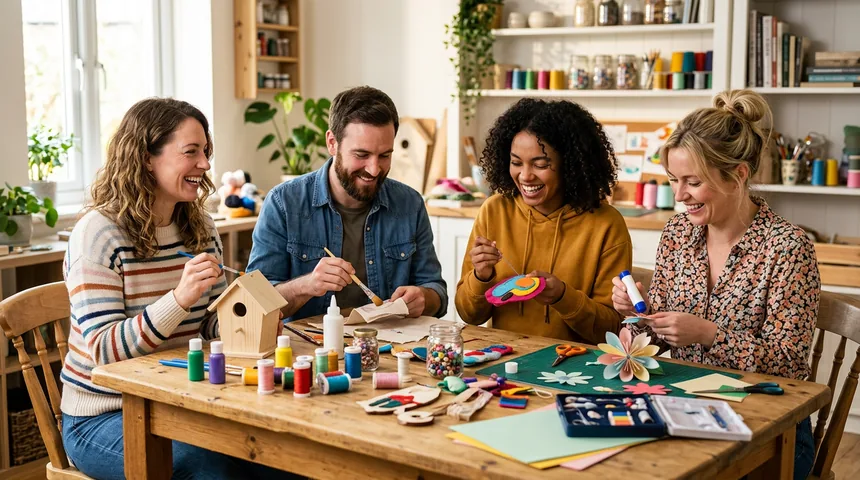
One of the most effective ways to build a fulfilling social life is by connecting with people who share your specific passions. While broad, general socializing has its place, relationships forged over shared interests often develop faster and run deeper. When you meet someone within the context of a shared hobby or a specific niche, the initial awkwardness of small talk is immediately bypassed. You already have a built-in topic of conversation and a mutual understanding of a particular subject, which provides a solid, comfortable foundation for the interaction. Whether your passion is vintage watch restoration, urban gardening, or a specific genre of literature, finding a community dedicated to that interest guarantees that you are surrounded by individuals who value what you value. This shared enthusiasm fosters a sense of immediate belonging and mutual respect. It takes the pressure off trying to find common ground, allowing you to focus on simply enjoying the activity and letting friendships develop organically as a natural byproduct of your shared engagement.
Utilizing Online Platforms for Local Discovery
The internet is an incredibly powerful tool for mapping out your local social landscape and finding niche communities. Platforms specifically designed for organizing local groups are excellent starting points. You can search these sites using keywords related to your interests to find upcoming meetings, workshops, or casual get-togethers in your area. Additionally, social media platforms often host robust local community pages where members discuss their hobbies and organize offline events. Do not overlook the value of specialized forums or message boards dedicated to your specific interest; while these are often global, they frequently have sub-sections for regional networking. When using these digital tools, the goal is always to transition the connection from the online world to the physical one. Look for groups that emphasize regular, in-person meetings rather than just online discussion. By leveraging the targeted search capabilities of these platforms, you can efficiently sift through the noise and pinpoint the exact communities that align with your unique passions, saving you time and energy in your search for connection.
Exploring Offline Venues and Local Institutions
While online discovery is efficient, exploring offline venues remains a crucial part of finding niche communities. Many dedicated groups still organize primarily through local institutions. Check the bulletin boards at your local library, community center, or independent coffee shops, as these are traditional hubs for grassroots organization. Specialized retail stores are also goldmines for community building. For example, an independent bookstore will likely host specialized reading groups, a local running shop will organize weekly group jogs, and a dedicated craft store will offer regular workshops. By physically visiting these locations and speaking with the staff, you can uncover a wealth of information about local groups that might not have a strong digital presence. These offline venues attract individuals who are highly invested in their hobbies, making them ideal places to meet passionate, like-minded people. Engaging with these local institutions not only helps you find your niche community but also integrates you more deeply into the fabric of your local neighborhood.
Taking the Initiative to Create Your Own Group
Sometimes, despite your best efforts, you may find that the specific niche community you are looking for does not yet exist in your area. In these situations, the most proactive step you can take is to create the group yourself. While this requires more effort initially, it positions you as a central node in a brand new social network. Start small; you do not need to organize a massive event right away. You might simply post a flyer at a local venue or create a basic online listing inviting anyone interested in your specific hobby to meet for coffee and a discussion. As the organizer, you have the ability to set the tone and structure of the group, ensuring it aligns perfectly with your vision. This initiative demonstrates leadership and a genuine desire to connect, qualities that naturally attract others. Building a community from the ground up can be an incredibly rewarding experience, transforming a solitary passion into a thriving, shared social endeavor that benefits not just you, but everyone who joins.
Navigating the Dynamics of an Established Group
When you finally locate an established niche community and attend your first meeting, it is important to navigate the existing group dynamics thoughtfully. Every group has its own unique culture, unspoken rules, and established relationships. Your initial goal should be to observe and integrate gently. Avoid the temptation to immediately dominate the conversation or aggressively insert yourself into the center of the group. Instead, show up consistently, participate in the activities with genuine enthusiasm, and focus on being helpful and supportive to other members. Ask questions, seek advice from more experienced members, and show respect for the group's traditions. As you demonstrate your genuine interest in the shared passion and your respect for the community, you will naturally begin to build rapport. Over time, your consistent, positive presence will solidify your place within the group, transitioning you from a newcomer to a valued, integral member of your new social circle.